Learn something that sticks.
Animated explainers you understand in one watch, from how the world works to why you do what you do. Every video comes with its full transcript.
Mind-blown
You thought you knew how this works.
 1:35
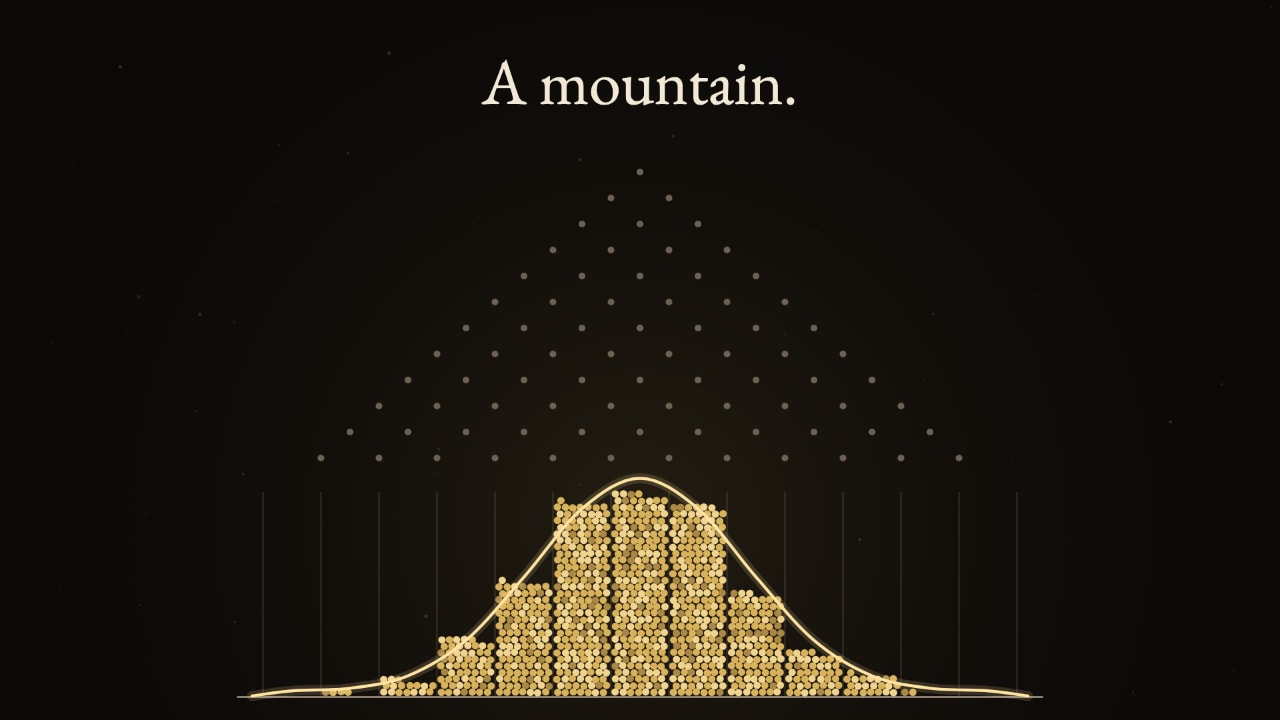
Nobody can predict this ball
One ball through a board of pegs is pure chance, yet a thousand always pile into the same mountain. Here is why, and why casinos never worry.
 1:33
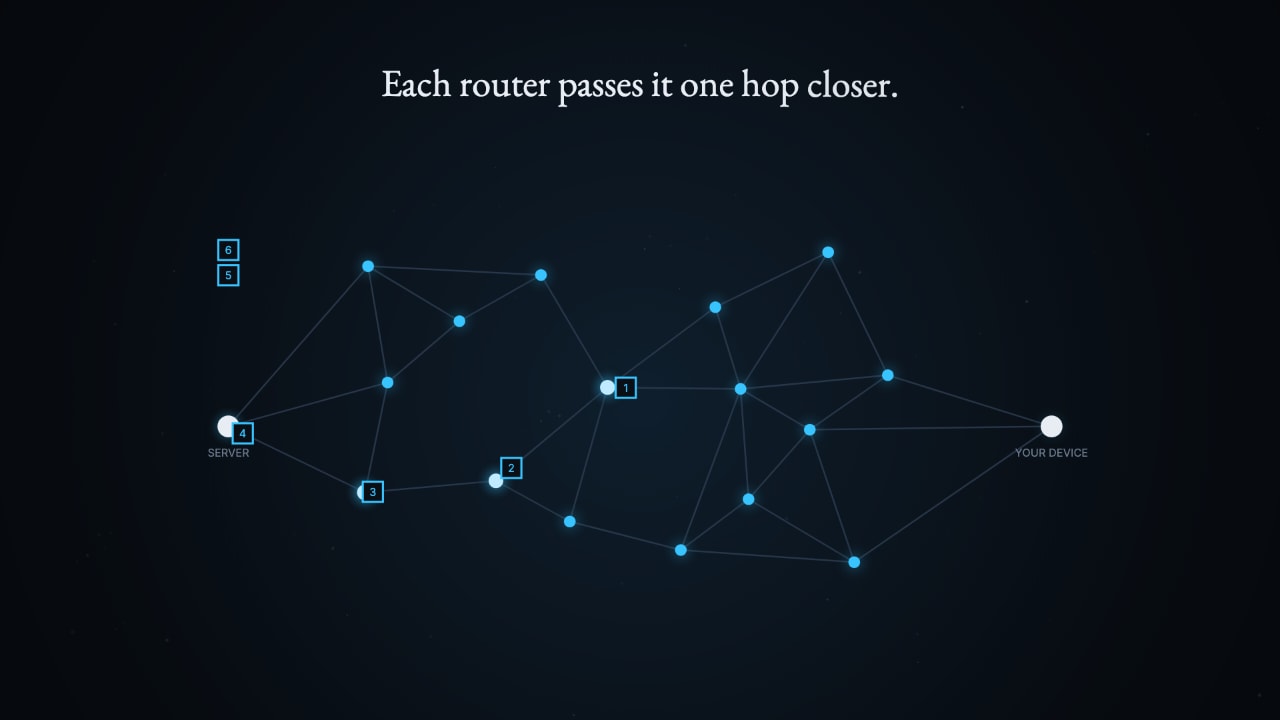
How does the internet work?
A page crosses the internet as numbered packets. Routers pass each one a hop at a time, around broken links; your device sorts them and asks for lost ones.
 1:56
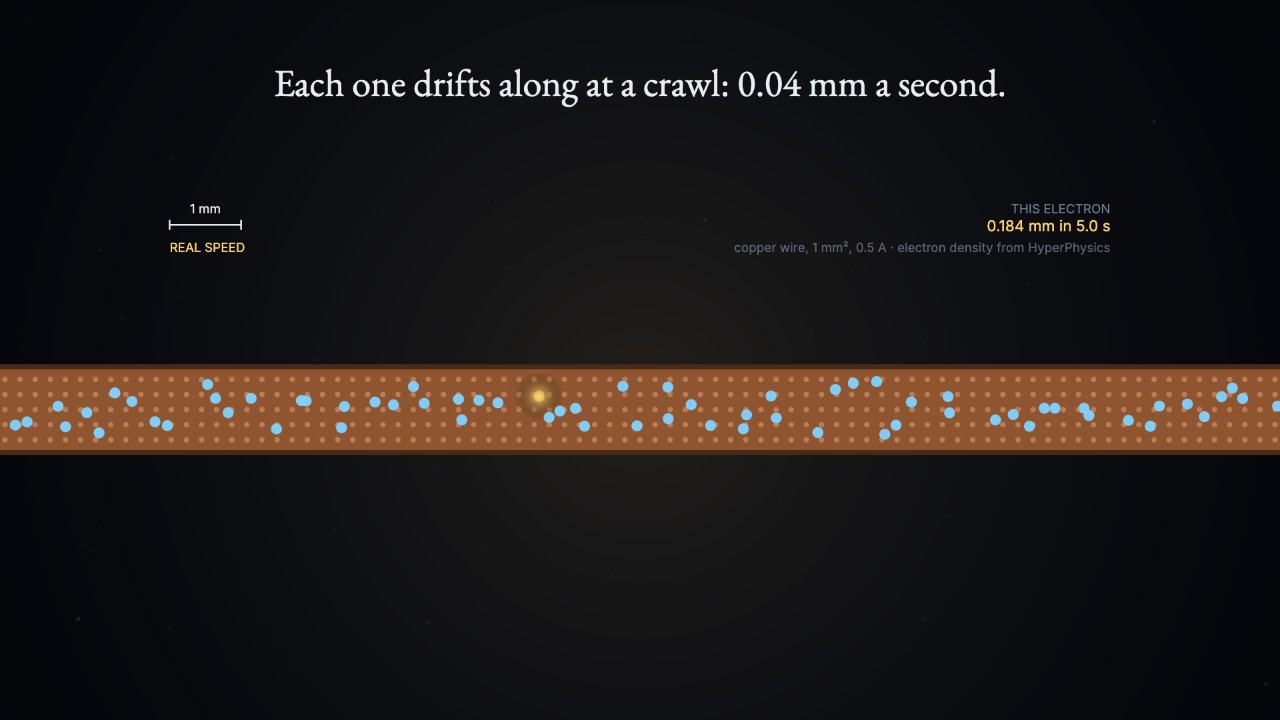
How does electricity flow?
The light comes on at once, yet each electron in the wire crawls at 0.04 mm a second. What travels fast is the push, shared round the whole loop.
 1:40
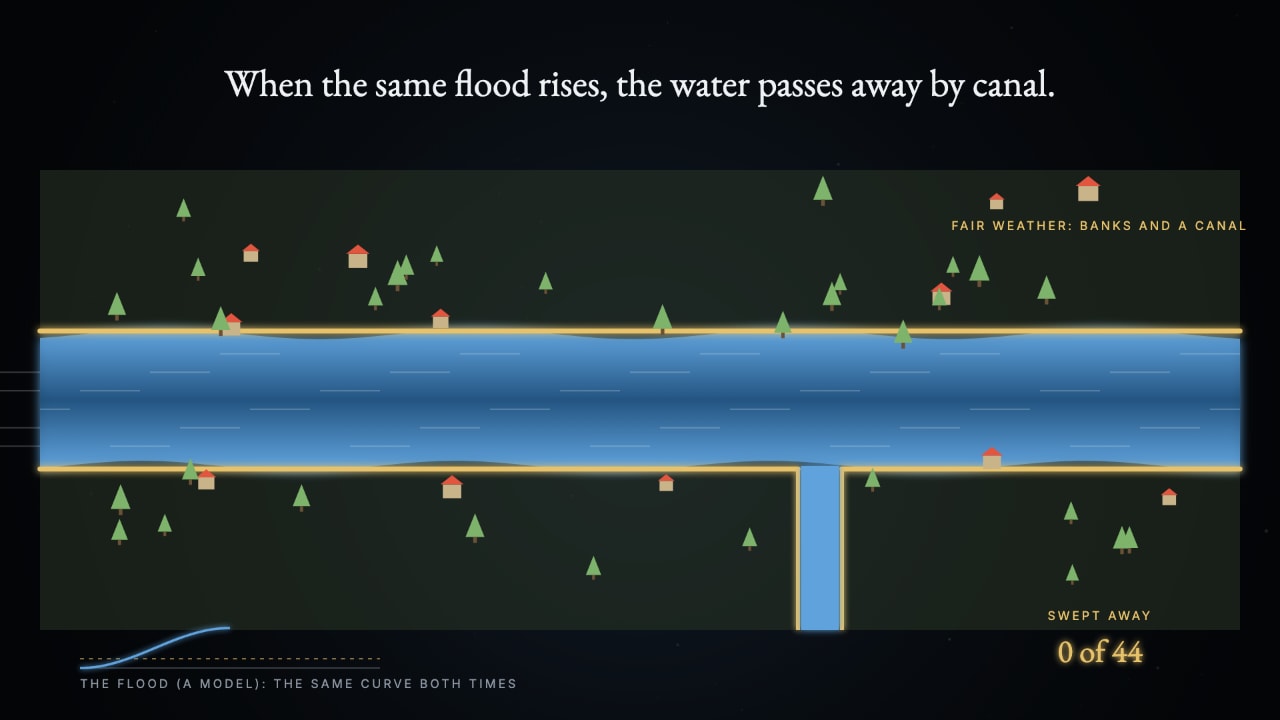
Machiavelli's The Prince: fortune is a river
Machiavelli gave fortune half our actions and compared her to a flood: the same river that sweeps the plain passes harmlessly where banks were built in time.
 1:40
Plato's cave: why shadows fool us
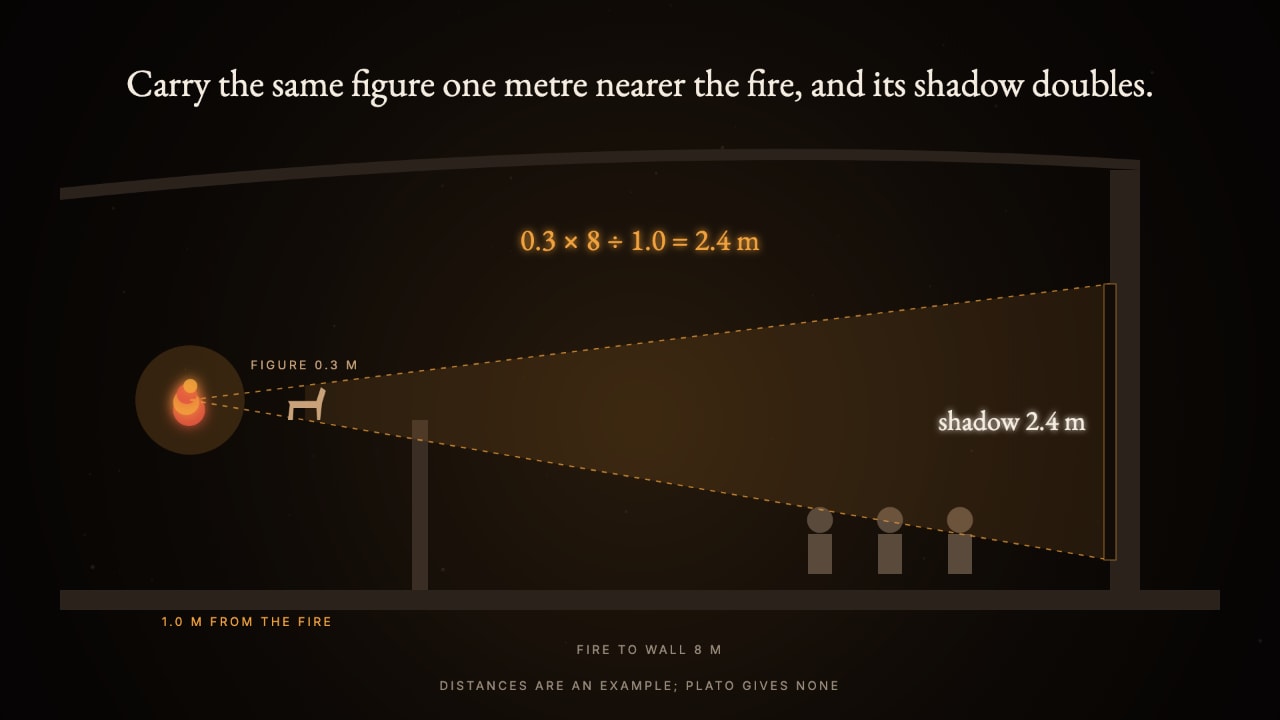
Plato's cave, with the geometry of its shadows: a figure carried nearer the fire throws a bigger shadow. Then the climb to the sun and the return to the dark.
 1:40
Adam Smith's invisible hand, explained
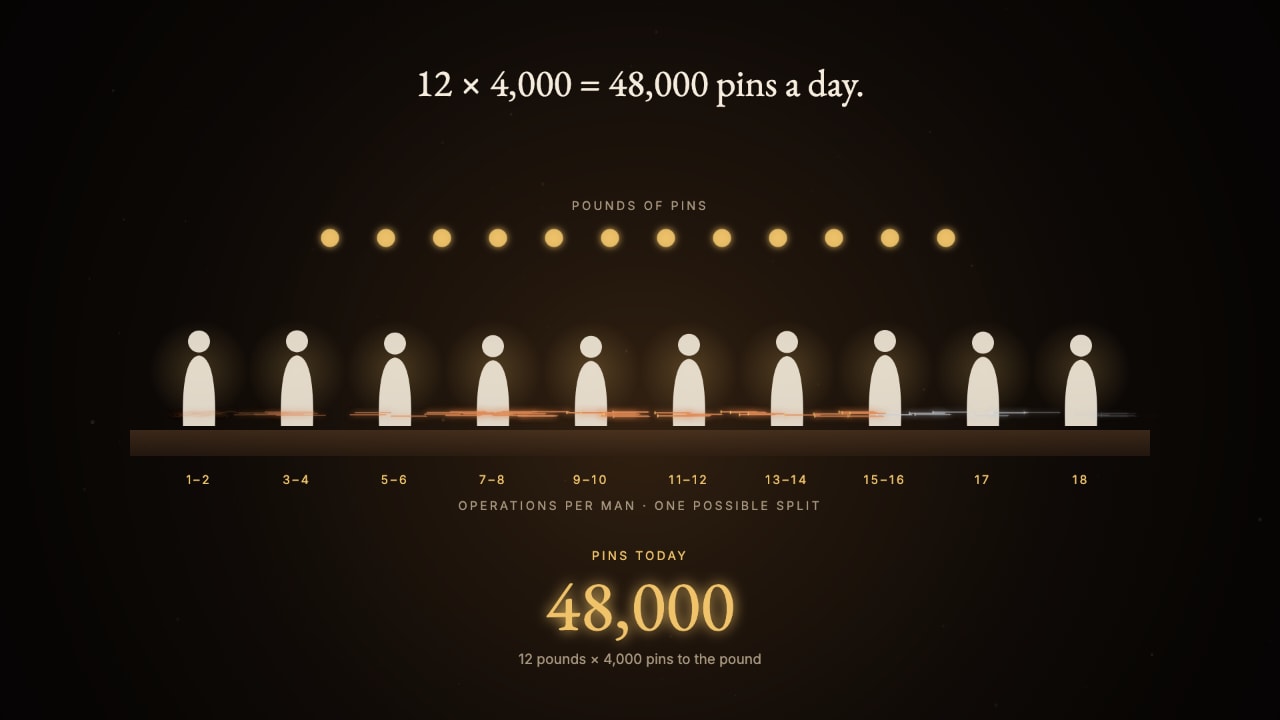
Adam Smith's pin factory, computed: ten workers sharing 18 operations made 48,000 pins a day. Then the baker's self-interest and the invisible hand.
 1:40
How natural selection works
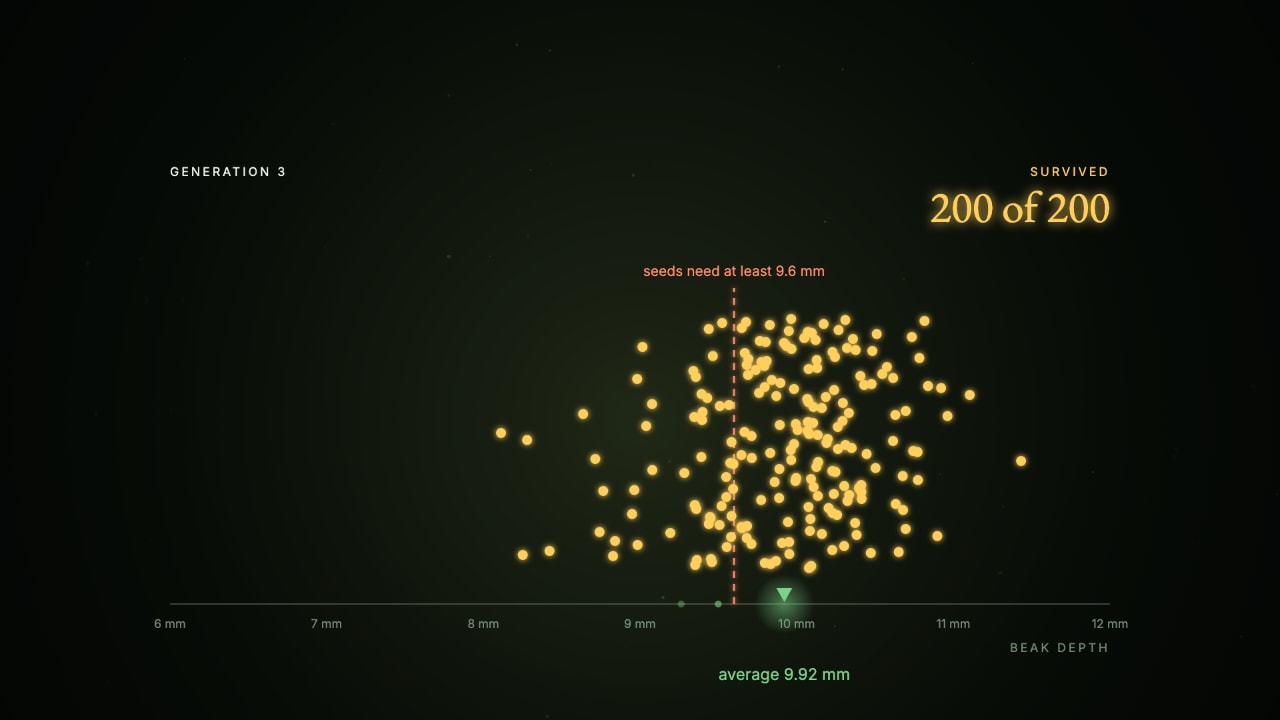
Natural selection in four steps: variation is inherited, more are born than survive, the fittest pass the filter, and deep time draws the tree of life.
 1:40
Orwell's 1984: how a cut becomes a rise
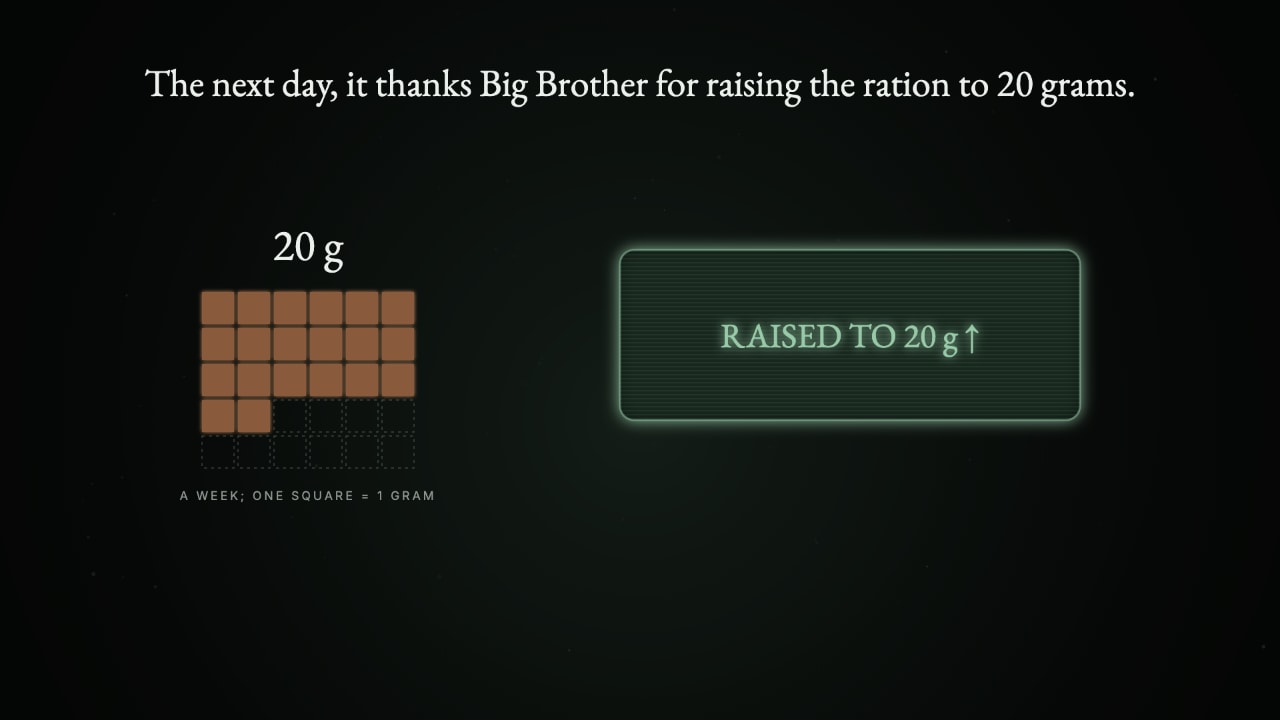
In 1984 a chocolate ration cut from 30 g to 20 g is hailed as a rise, and boots at 43% of plan become 109% once Winston rewrites the forecast.
 2:04
How a neural network learns
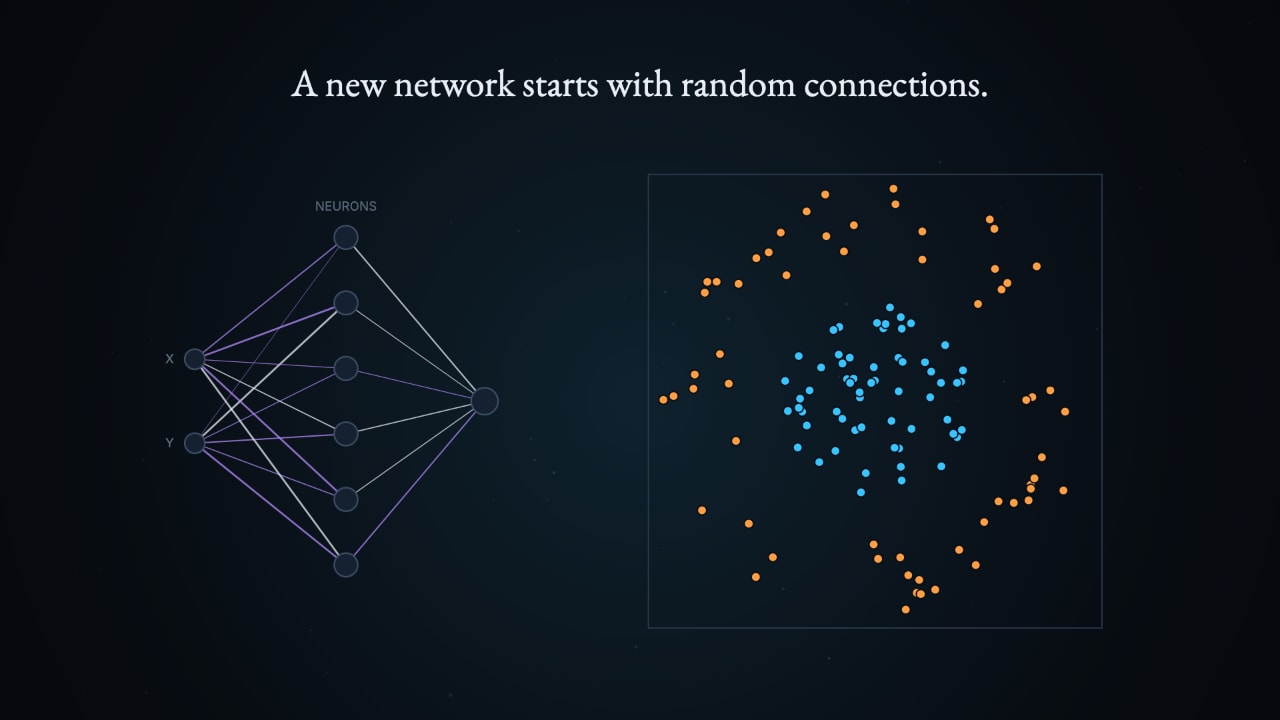
A small network guesses which dots are blue, measures its error, passes it back and nudges every connection. Thousands of nudges later, it has found the rule.
 1:56
Why moving clocks run slow
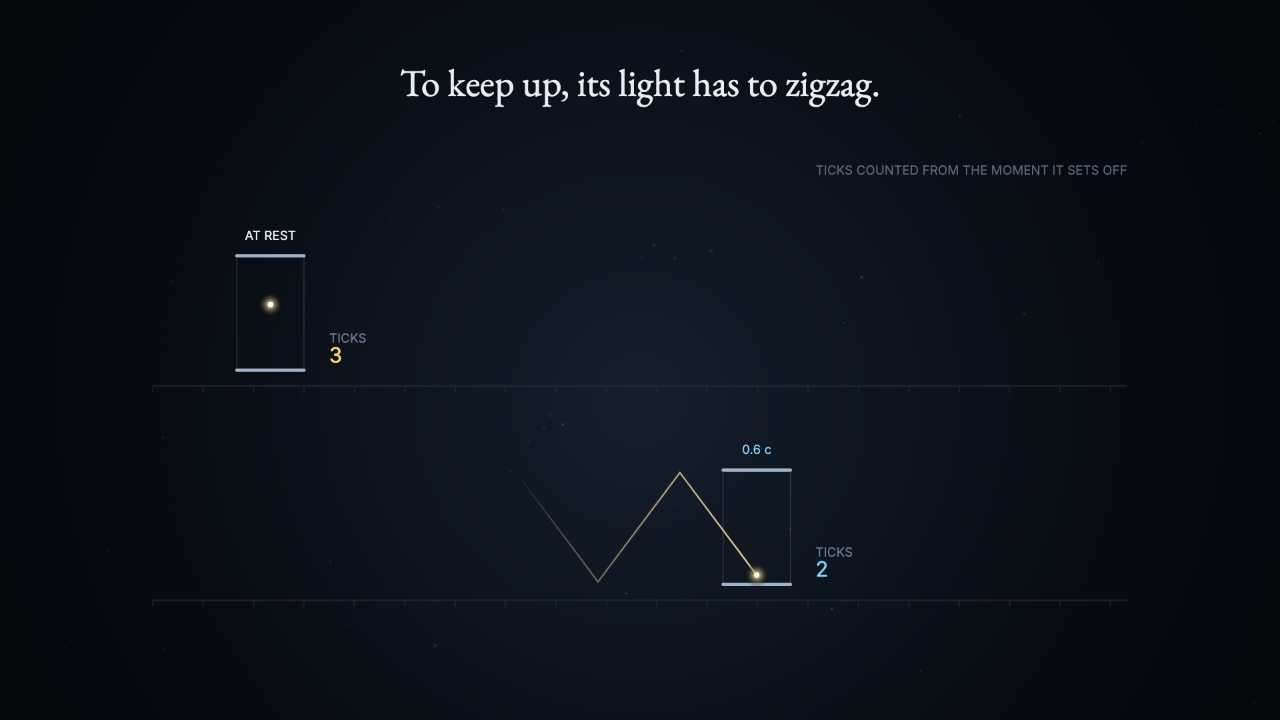
A clock made of light, sent past at 0.6 times light speed, ticks 4 times while ours ticks 5. GPS satellite clocks lose 7 µs a day this way.
 2:14
How a black hole forms
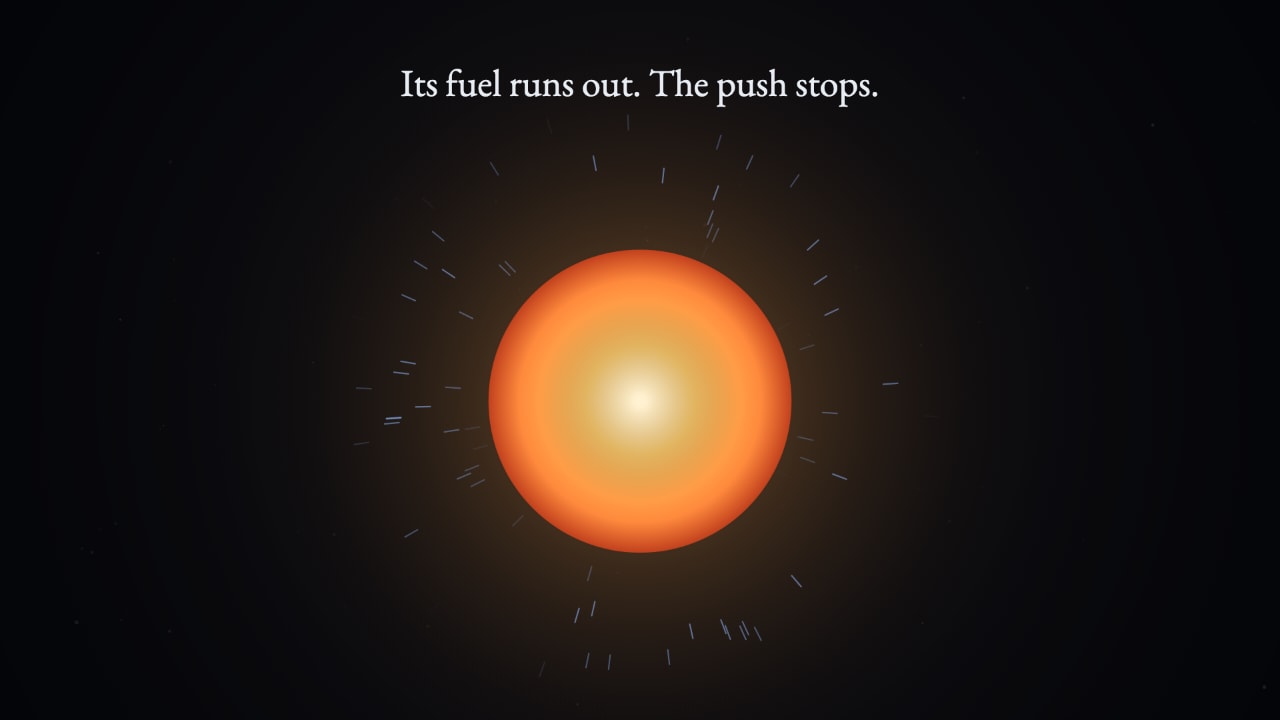
A heavy star collapses when its fuel runs out. Squeeze the Sun to 6 km across and escaping it would take more than the speed of light.
 2:02
How vaccines train your immune system
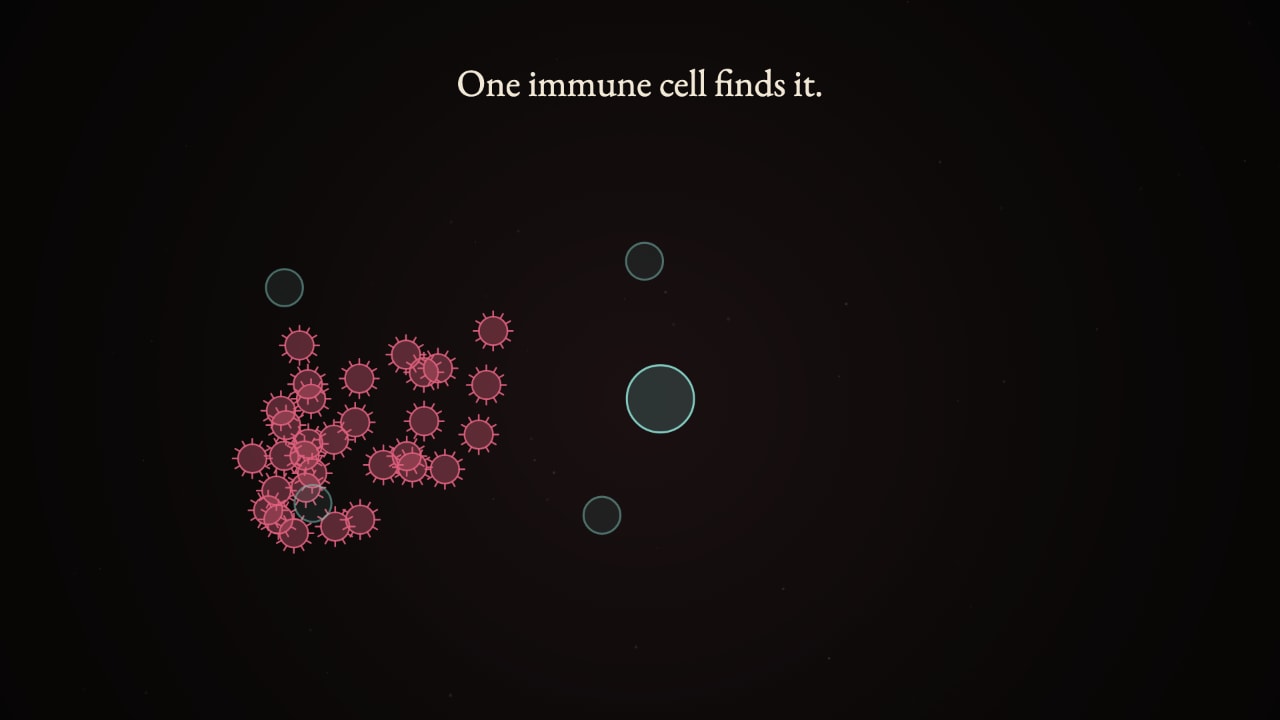
A vaccine shows the immune system a harmless piece of a germ. The cell whose lock fits it wakes and divides, and some cells stay behind as memory.
 1:52
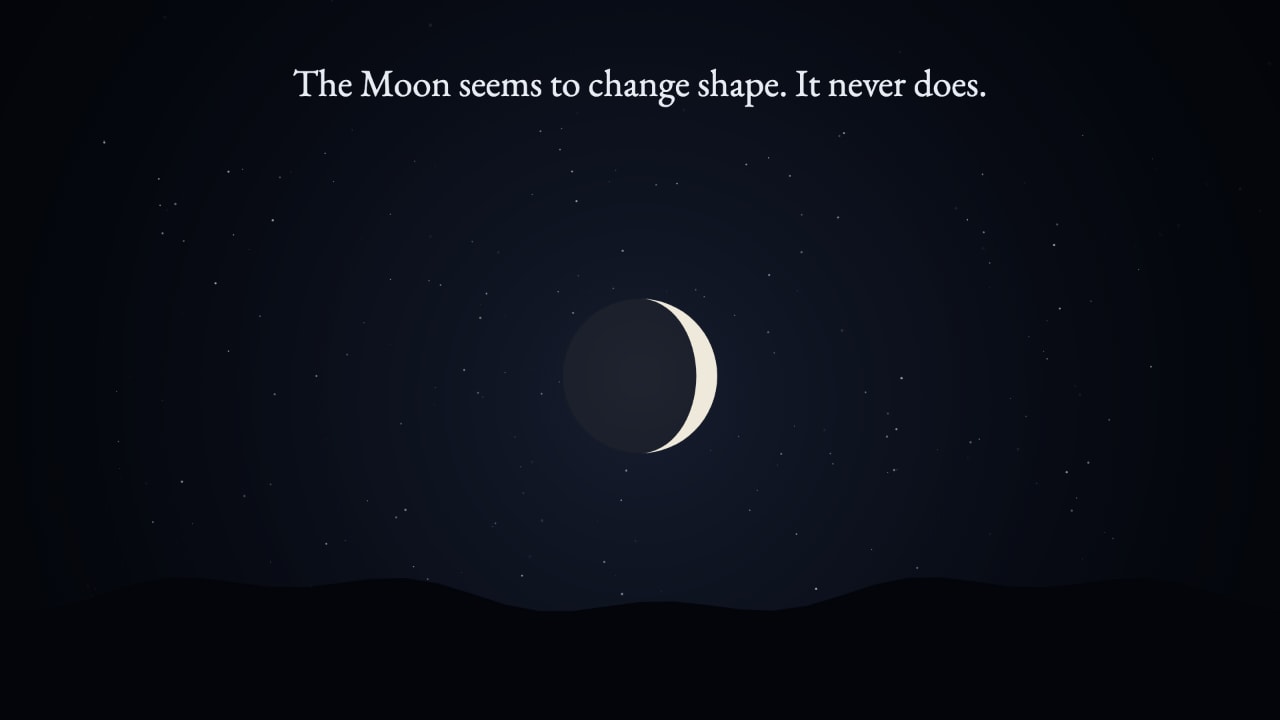
Why the Moon has phases
The Sun always lights half the Moon; its phases are the angle we see that half from, not Earth's shadow. One lap takes 27.3 days, a cycle 29.5.
 1:40
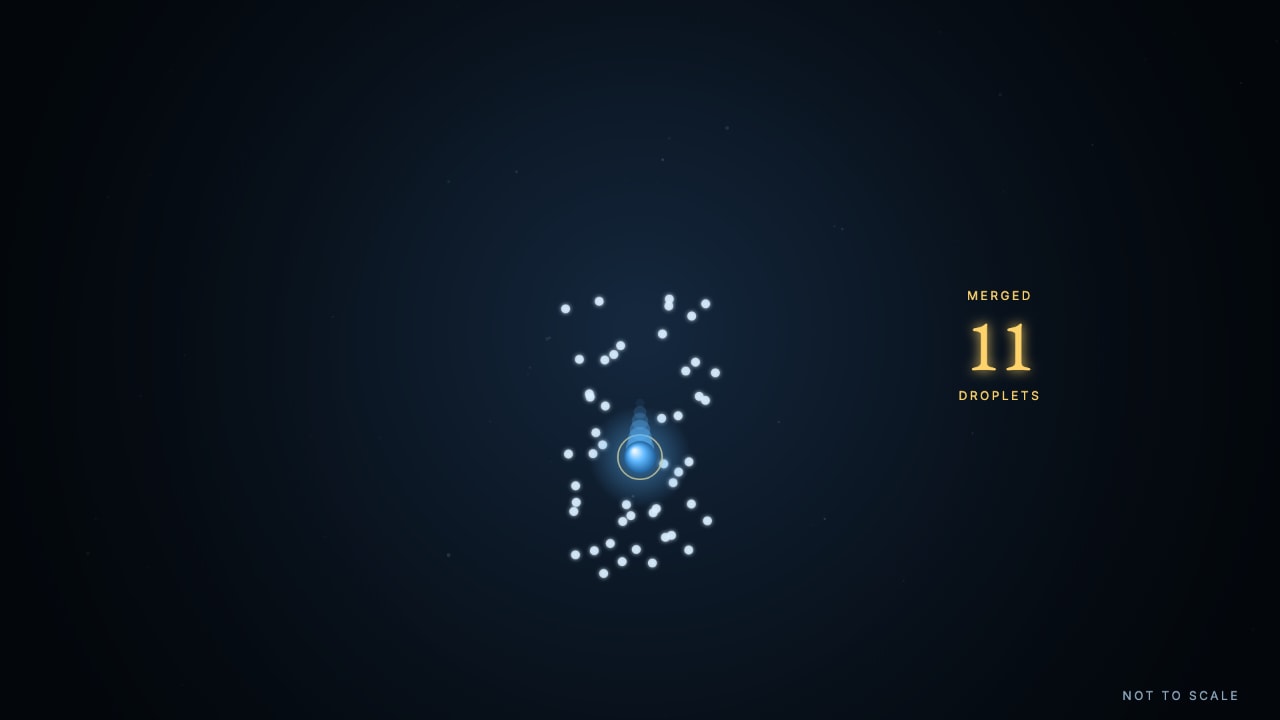
Where rain comes from
A raindrop is about 100 times wider than a cloud droplet, so it holds a million times the water. Drops join as they fall until they are heavy enough to rain.
 1:40
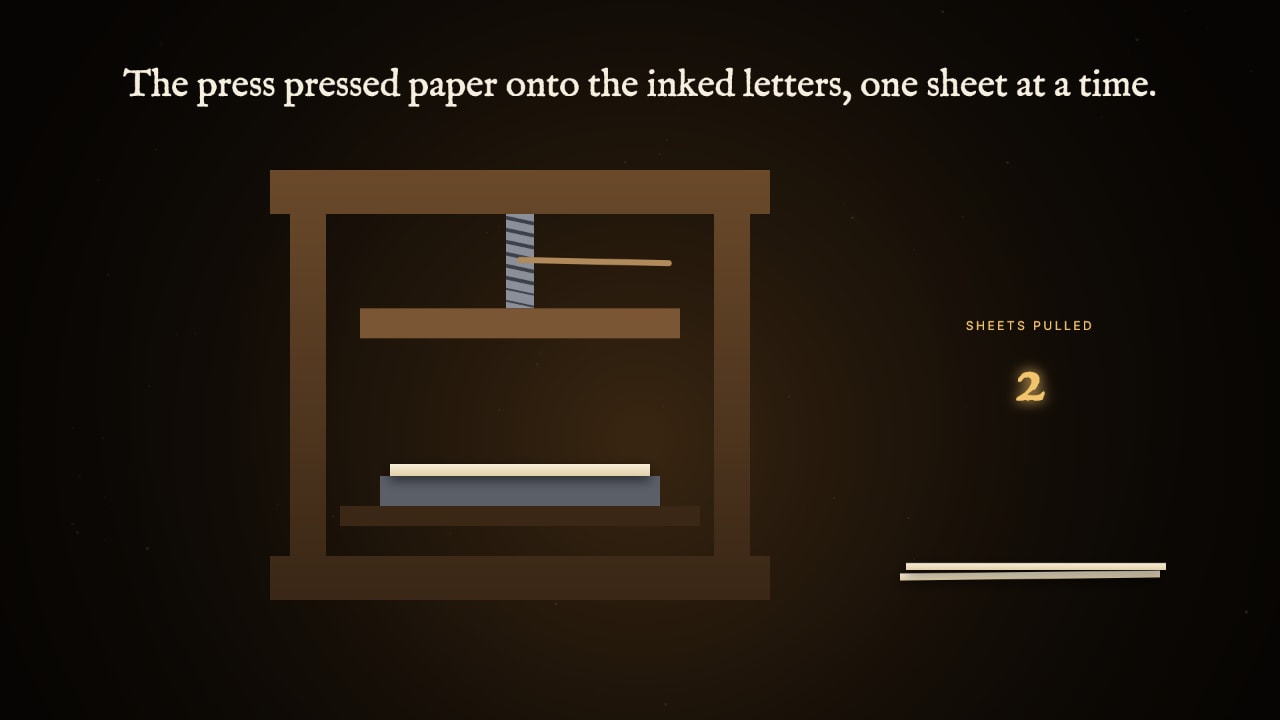
How the printing press changed books
From hand-copied manuscripts to Gutenberg’s reusable metal type: how one invention made books cheaper and spread them across Europe.
 1:46
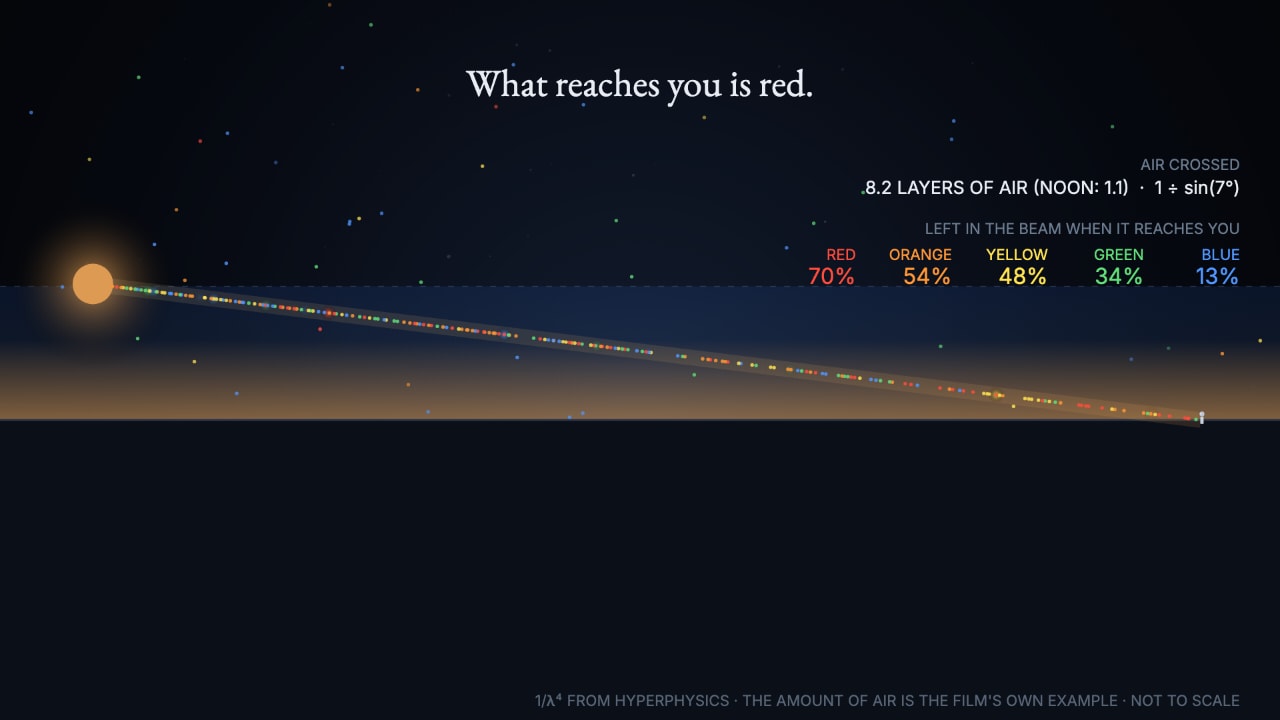
Why is the sky blue?
Air knocks blue light aside about 6 times as often as red, so blue reaches you from all over the sky. At sunset the blue is gone before it arrives.
 1:46
The law of the lever
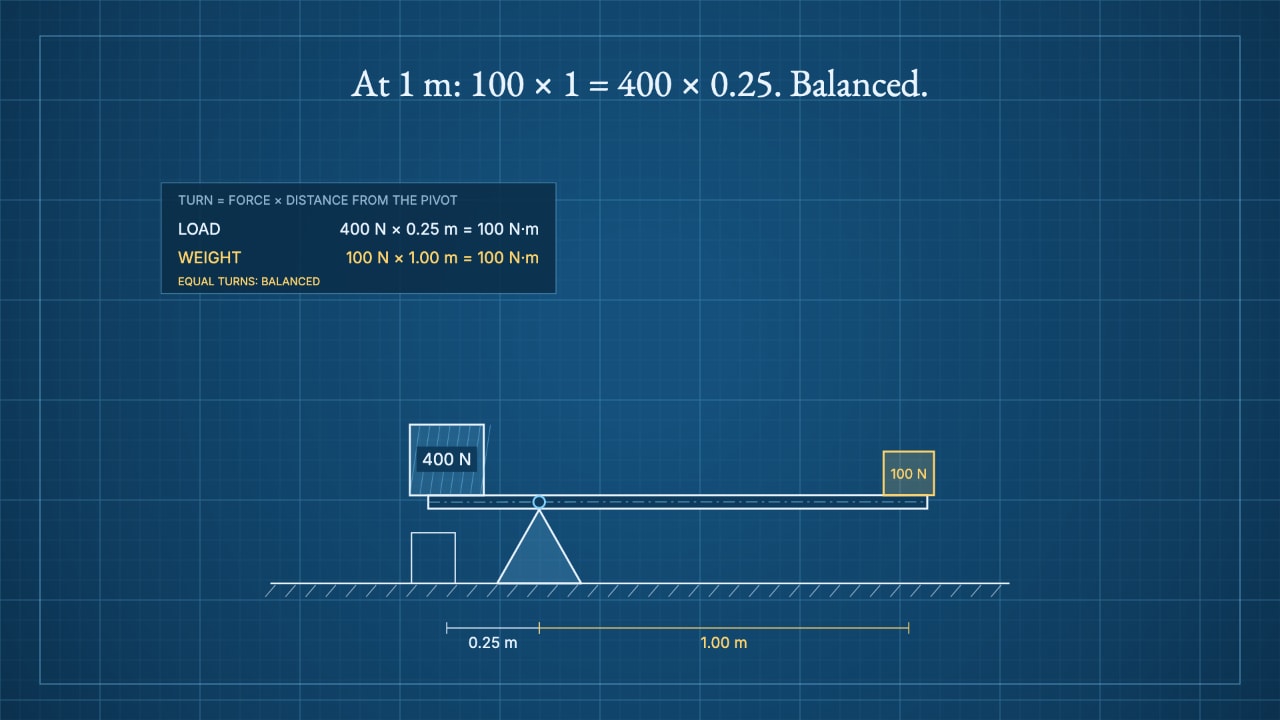
A lever balances when force × distance from the pivot is equal on both sides. 100 N lifts 400 N, but it must push four times as far: the work is the same.
 1:40
Leonardo’s aerial screw
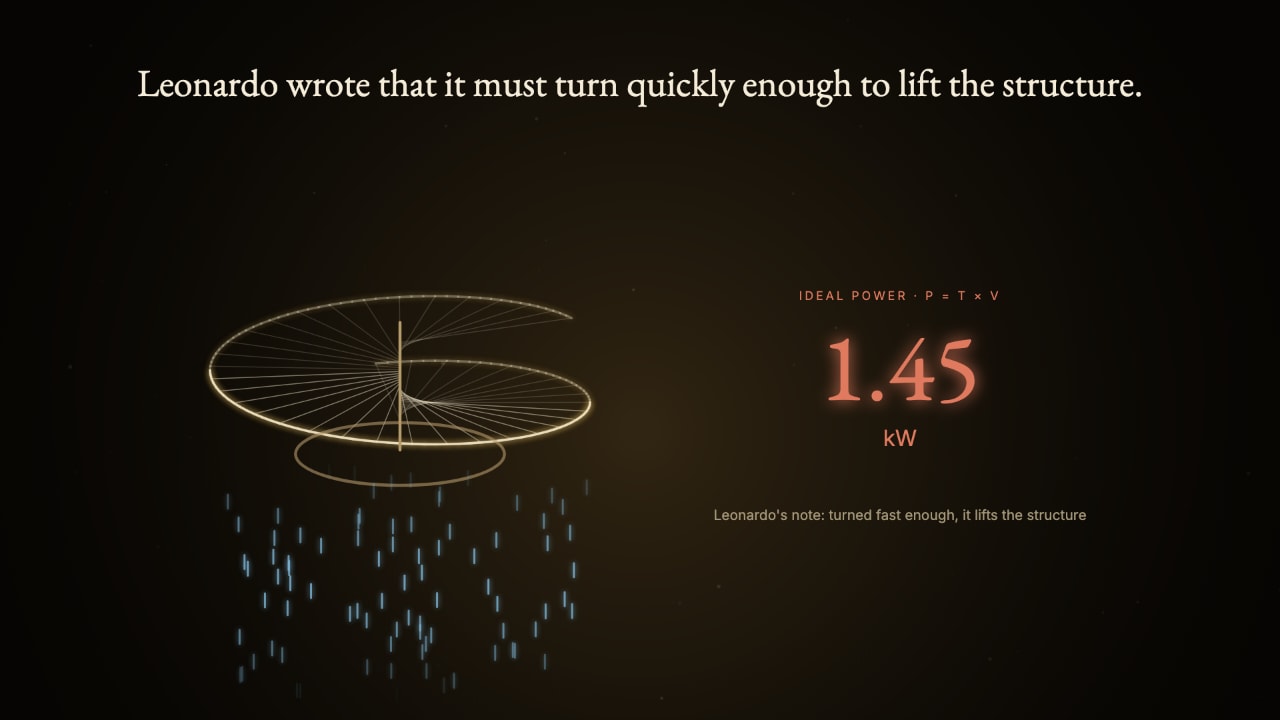
Leonardo’s 1480s aerial screw: a spiral linen sail about 5 m in radius. Momentum theory gives an ideal power of about 1.45 kW to lift a 75 kg person.
That's so me
It isn't only you. Here is why.
 1:40
Pride: why almost everyone thinks they're above average
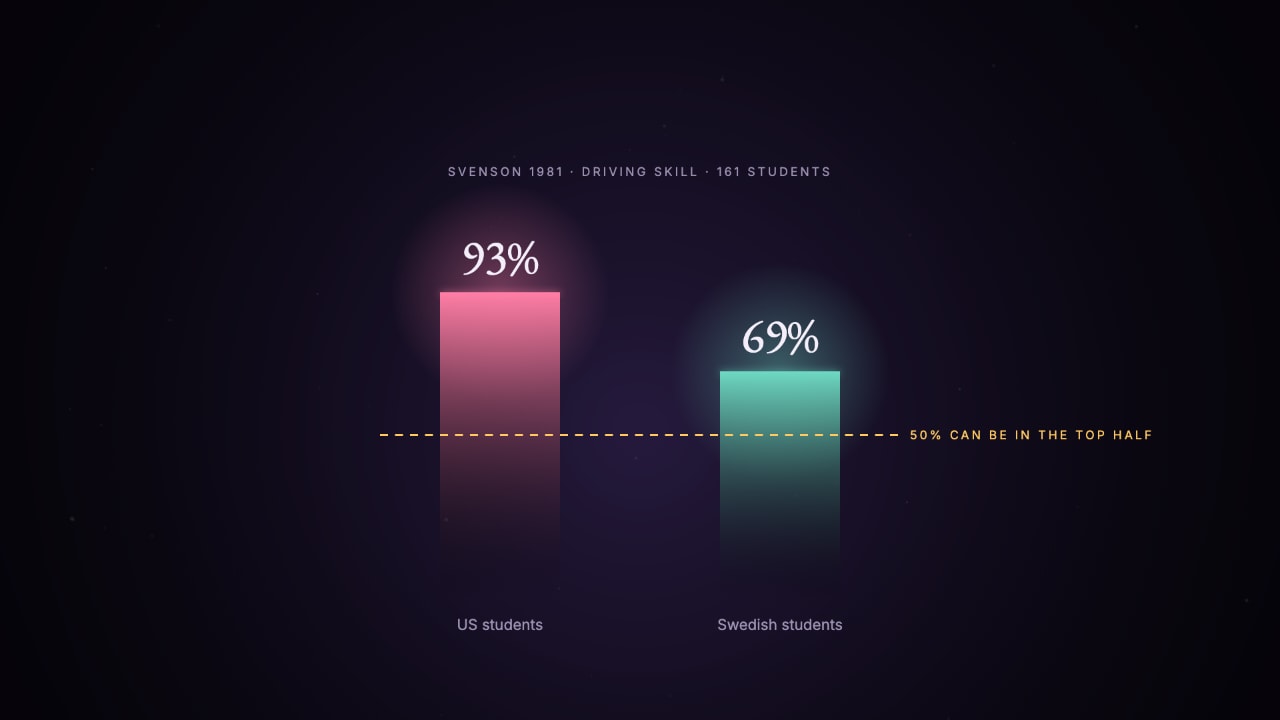
93% of US students put their driving in the top half, yet only half of any group can be there. A few very low scores also pull the average down.
 1:40
Why do we sleep?
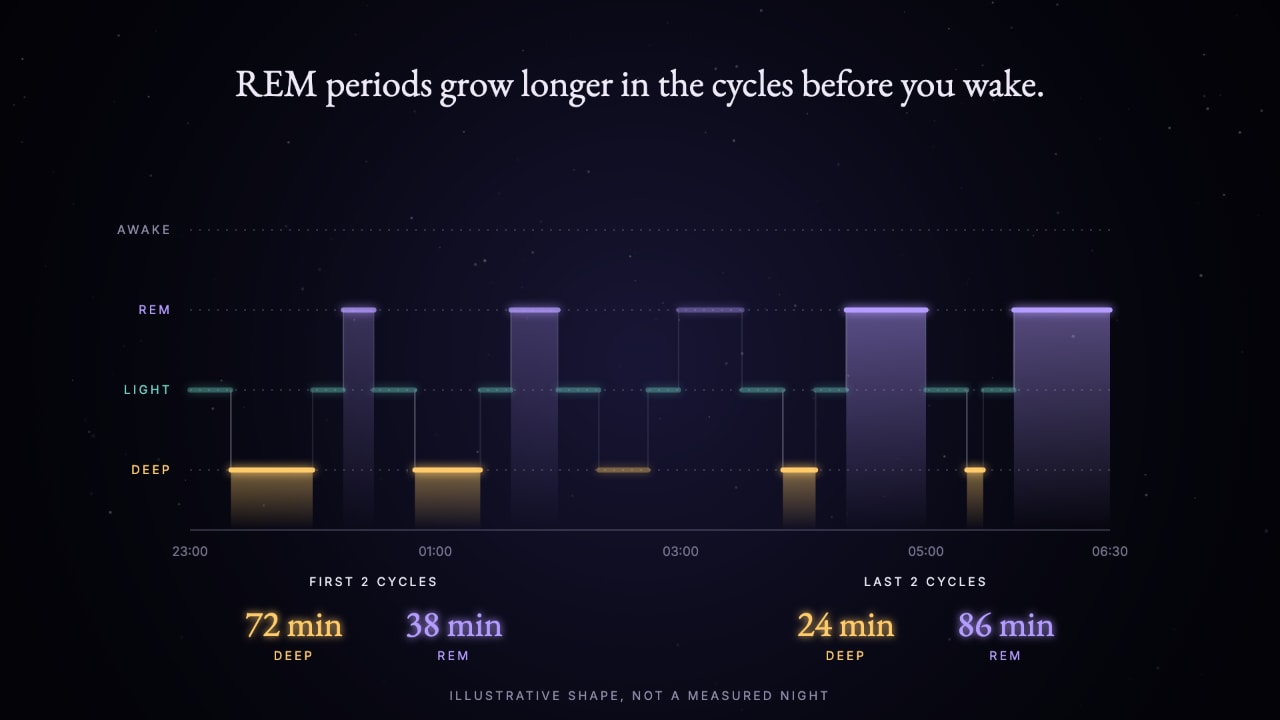
Sleep runs in cycles of about 90 minutes, with deep sleep early and REM later. Pressure from being awake and a 24-hour body clock set when you sleep.
Use it today
Ideas you can try before the day is out.
 1:40
What is inflation?
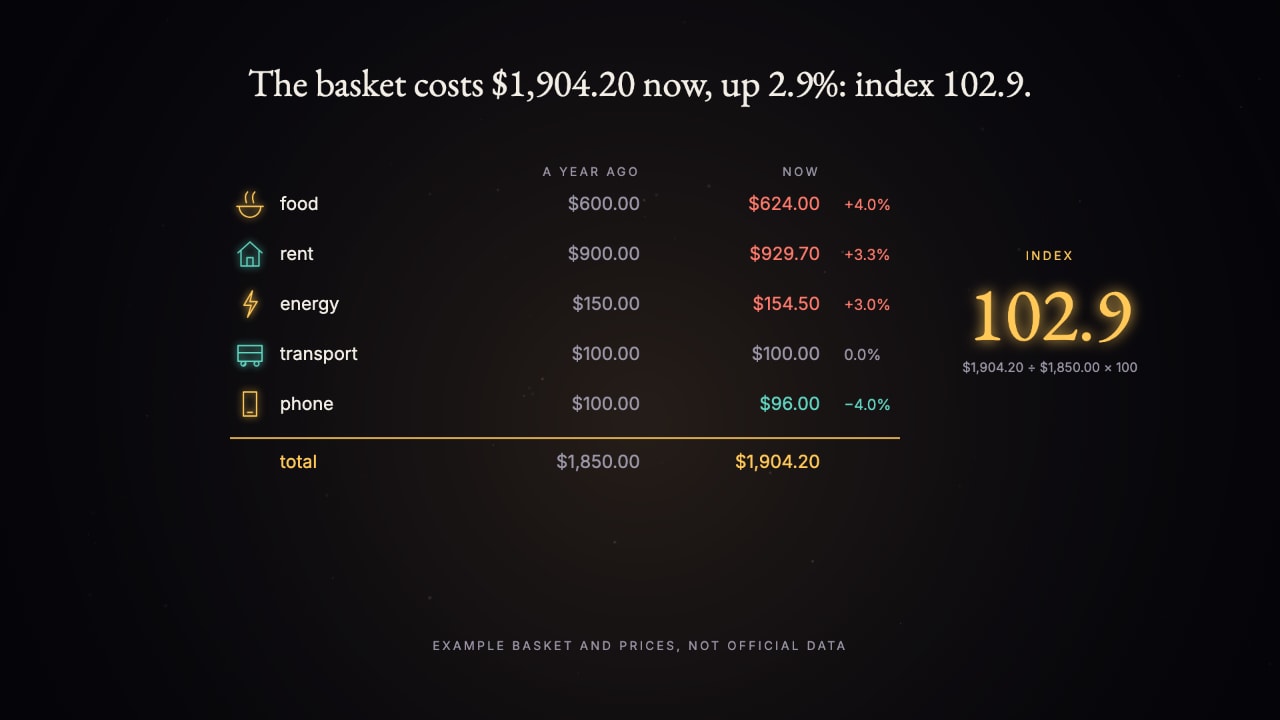
Inflation is the average rise in prices, measured by repricing one basket of goods. At 3% a year, $100 of cash buys about $74 of today’s goods in ten years.
 1:40
Sun Tzu's Art of War: count before you fight
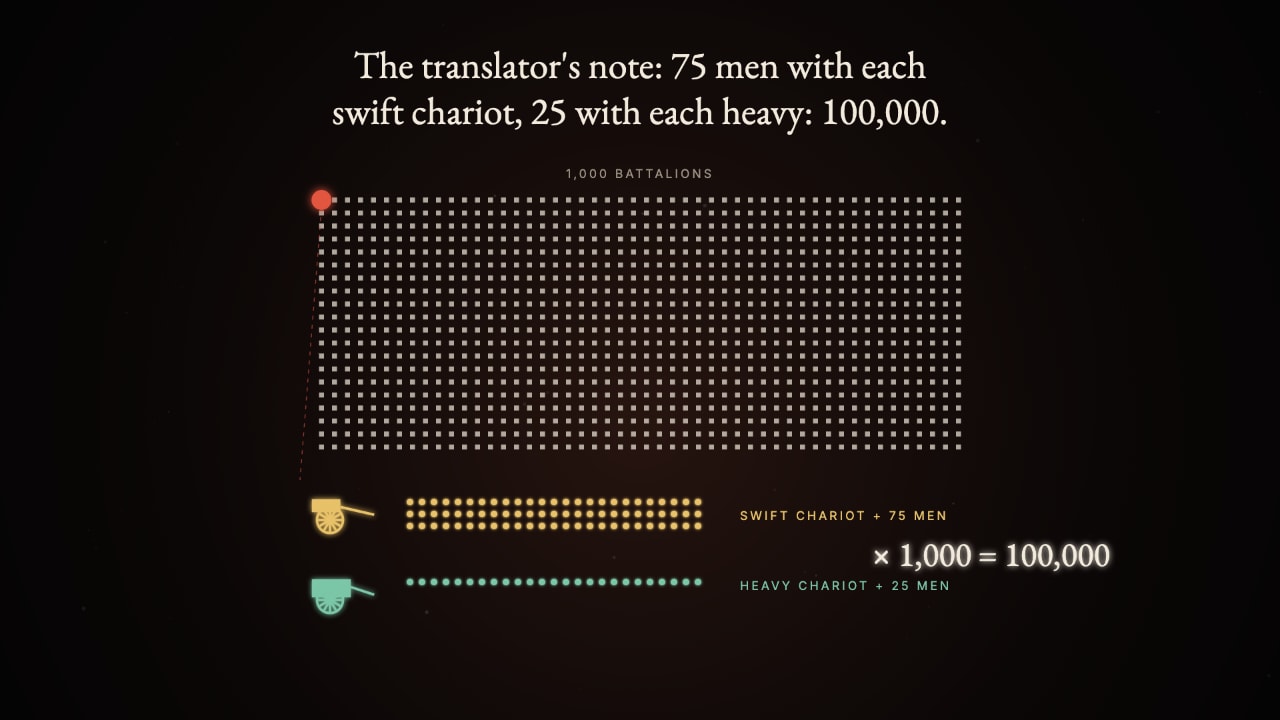
Sun Tzu's arithmetic of war: 100,000 men, 1,000 ounces of silver a day, one captured cart worth twenty of your own, and the ratio that decides each move.
 1:40
Marcus Aurelius' Meditations: the present is all you can lose
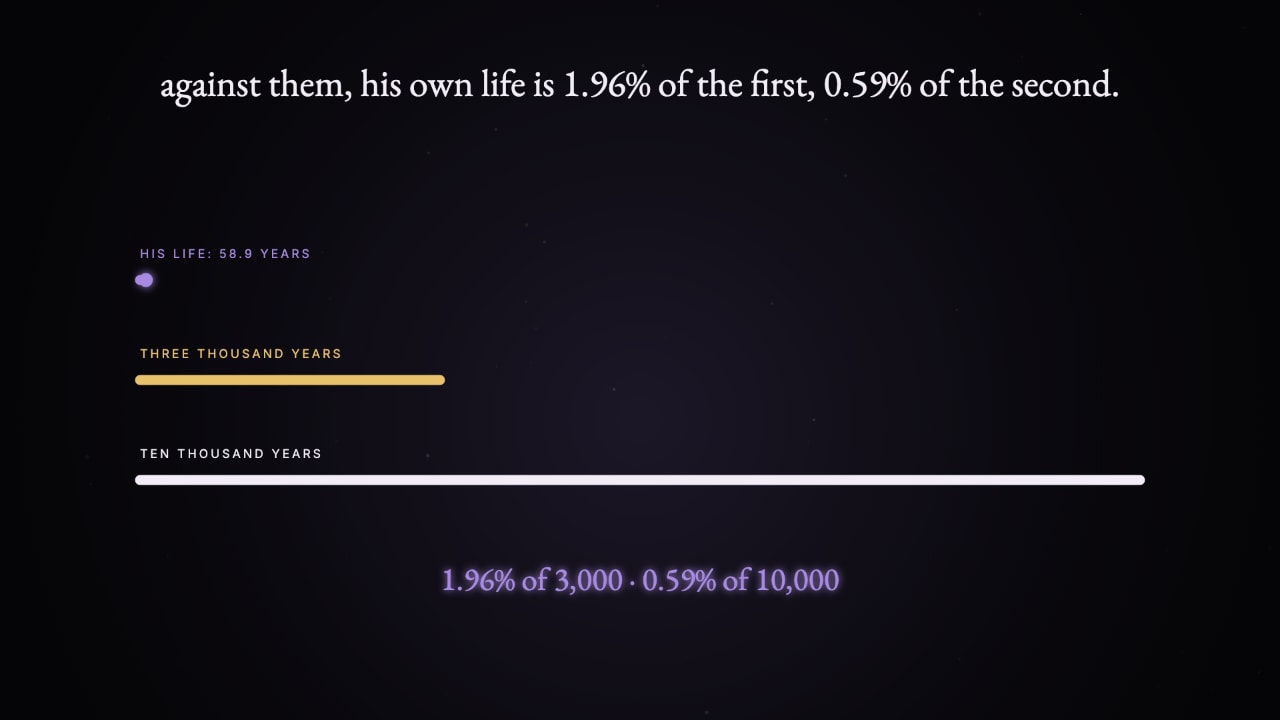
Marcus Aurelius lived 21,510 days, under 2% of the three thousand years he imagined. Yet he argued the longest and shortest lives lose the same: the present.
 1:40
Thoreau's Walden: what a house really costs
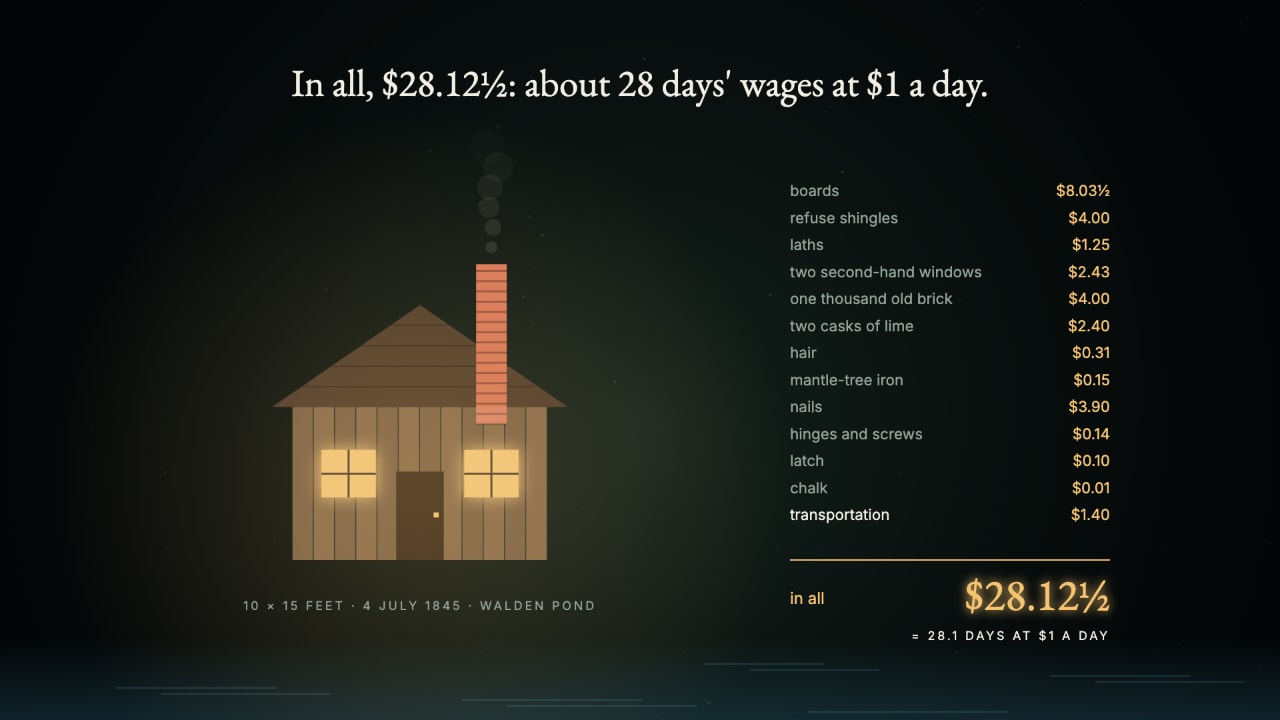
Thoreau priced his Walden cabin to the half cent: $28.12½, less than a year's student rent, against $800 and years of work for an average house.
 1:46
How compound interest grows
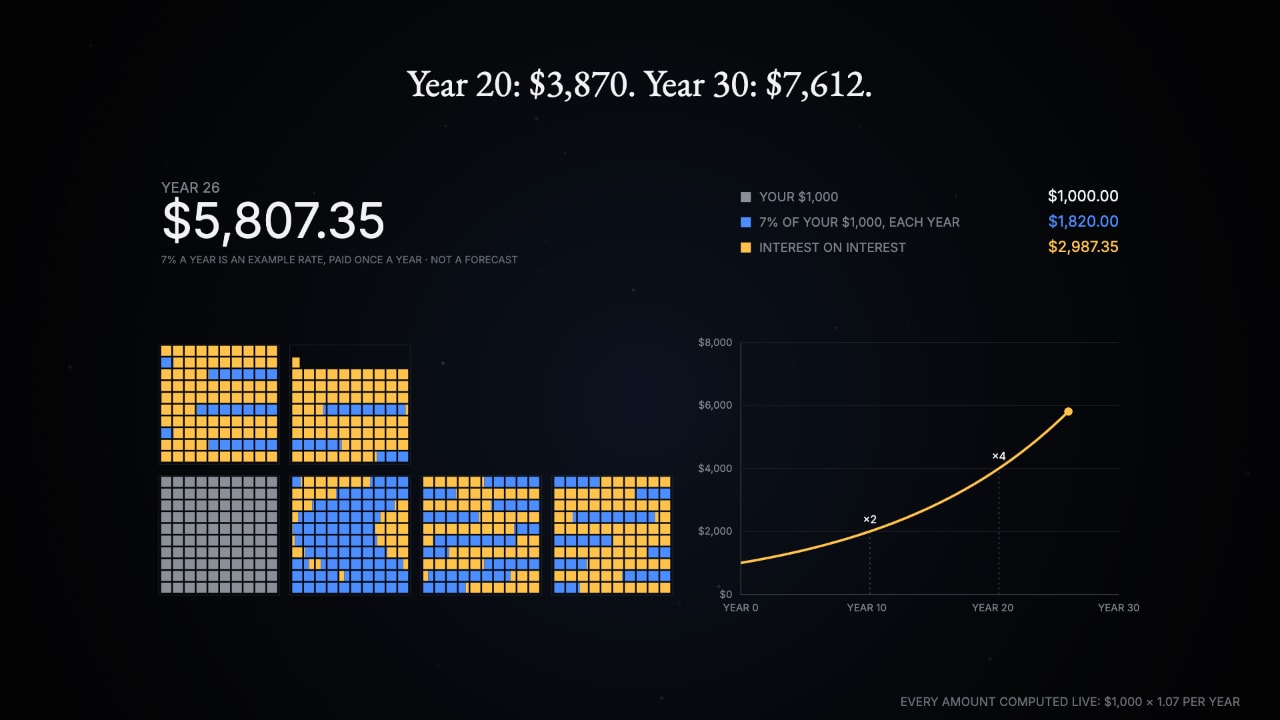
At an example 7% a year, $1,000 becomes $7,612 in 30 years. $4,512 of it is interest earned on interest; simple interest stops at $3,100.
Watch a series
The Seven Deadly Sins, explained by science
Pride, greed, lust, envy, gluttony, wrath and sloth, each shown at work in one famous study of ordinary people.
Great books in four ideas
The classics everyone quotes and few have read, from Sun Tzu to Orwell, in the order they were written.
How the modern world works
Electricity, the internet, AI and money: the systems you use every day, from the wire up.
Questions everyone asks
The simple questions children ask and adults rarely can answer.
Big ideas in science
Evolution, immunity, relativity and black holes: four ideas that changed how we see life and the universe.
Inventions that changed the world
The ideas behind machines, from the oldest simple tool to the press that spread books across Europe.
What is Aivoken Learn?
Aivoken Learn is a free library of short animated explainers. Each film answers one question, with a plain-language short answer, timed chapters, a full transcript and the sources behind every figure.
Subjects: science, money and maths, how things work, technology and AI, the human body, mind and behaviour, and history of ideas.
How to learn an idea quickly
- Watch the film once. Each one is built around a single question.
- Read the short answer and the chapters to check what you remembered.
- Open the transcript and the sources to go further.
Common questions
Is Aivoken Learn free?
Explore a question through animation, read the explanation and follow the sources. Free, with no account needed.
Can Learn help me understand life lessons?
Yes. The Mind & behaviour subject explains why people think and act as they do, and the History of ideas subject gives short versions of classic works such as Sun Tzu's Art of War, Machiavelli's The Prince, Marcus Aurelius' Meditations and Plato's cave allegory.
Are the facts in the films sourced?
Every figure in a film is listed under its sources, and the animation is labelled as illustrative.
Can I make my own explainer?
Yes. Describe a topic in one sentence in Studio, and Aivoken writes the script and animates it. Your film can be watched as a free preview, shared as a watch page or downloaded as a standalone HTML file.